Case study · Affiliate-management agency
TAG Media: one foundation for affiliate programme reporting.
Consistent programme data. More time for the client conversation.
TAG Media brought affiliate-platform and operator data into a managed analytical environment. Account managers gained a shared basis for comparing performance and preparing client reports, without hiring an internal warehouse team.
Customer results
The change at a glance.
Client-report preparation
Days → an afternoon
Account managers could prepare client reports directly.
Dedicated technical headcount added
0 data hires
The agency did not hire a data engineer or BI specialist for the implementation.
Programme reporting
One governed foundation
Connected affiliate and operator data measured through shared definitions.
01 · The story
An agency serving several operators.
TAG Media runs affiliate programmes on behalf of iGaming operators. The agency recruits partners, manages relationships, oversees commercial terms and reports on what each programme delivers. Operators receive a managed affiliate function rather than having to build one entirely in-house.
That model depends on a clear understanding of partner and programme performance across the operators TAG serves. Yet a single agency can encounter several affiliate platforms, different export formats and different versions of familiar performance measures.
TAG chose Gamblitude to bring that analytical data into one governed environment. The aim was to give account managers a consistent basis for their work while keeping the agency focused on its commercial expertise.
02 · The story
Reporting began with reconciliation.
Before comparing partners or explaining a programme to a client, someone first had to pull together its figures. Data from operator and affiliate systems landed in spreadsheets, where definitions and formats needed checking before the analysis could begin.
The challenge affected both reporting effort and interpretation. A conversion measure from one platform was not necessarily equivalent to the similarly named measure from another. A useful comparison required more than placing the two exports next to each other.
- Performance monitoring depended on when programme data was assembled.
- Partner and operator comparisons required manual reconciliation.
- Account managers spent time preparing exports before they could discuss the result.
- An in-house technical solution would have introduced a new function outside the agency’s core work.
TAG was an affiliate-management and relationship business, not a data-engineering company. Its choice was whether to keep absorbing the manual work or establish a different operating model for the data foundation.
03 · The story
Buy the foundation as a managed service.
TAG deployed Gamblitude as a common analytical environment above its affiliate programmes. The implementation connected relevant affiliate-platform and operator feeds to a dedicated warehouse on Google Cloud, managed as part of the service.
The agency centred the work on consistent definitions, direct access for account managers and avoiding a new internal technical function. The analytical model preserved the partner and programme context needed for useful comparison.
- Governed affiliate Metrics, including clickout-to-FTD conversion, revenue-share and CPA performance, and partner contribution to operator revenue.
- Attributes describing partners and programmes, with breakdowns by operator, platform, geography and partner type.
- Dashboards for programme views, with Master Chart and detailed exploration for ad-hoc questions and reconciliation.
- AI Agent for questions in plain language, bringing the answer, chart and explanation together.
- Insight Radar for recurring investigation of programme performance changes.
- Segments and webhooks connecting the analytical audience or signal with the agency’s existing tools.
Instead of rebuilding the calculation for each report, account managers could work from shared definitions. The infrastructure and modelling supported the agency’s existing work rather than requiring it to become a technology organisation.
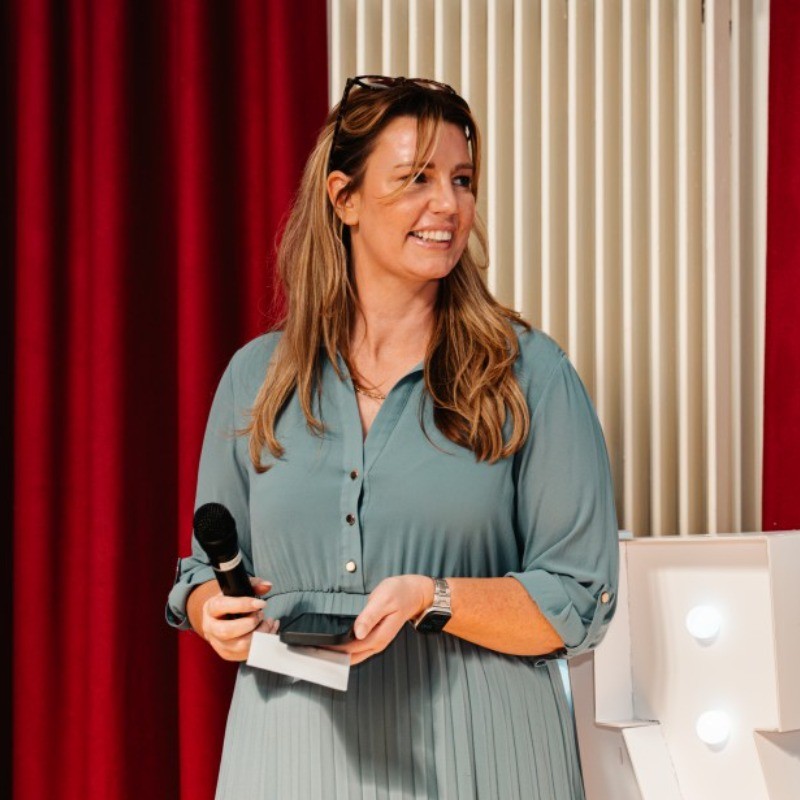
“We are an affiliate business, and a good one, but we were turning into a part-time data team we never set out to be. Every client report meant someone pulling exports from three or four platforms and stitching them together before they could say anything useful, and the numbers never quite agreed with each other. With Gamblitude we finally have one place where every programme is measured the same way, our account managers can pull their own reports in an afternoon rather than waiting on someone else, and we did not have to go and hire a warehouse team to get there.”
04 · The story
Keep investment close to the agency’s commercial work.
Building an equivalent internal data function would have required a data engineer, analytical modelling capacity, ownership of the BI layer, cloud infrastructure and ongoing maintenance.
The in-house alternative was estimated at a six-figure annual cost. TAG implemented the managed foundation without hiring a data engineer or BI specialist.
For the agency, the practical distinction was where to put its attention. Account managers and partnership specialists could concentrate on operator programmes while Gamblitude managed the data foundation. The platform also supplied an established iGaming analytical starting point instead of asking a generalist team to create every definition and reporting pattern from the beginning.
The decision therefore combined infrastructure ownership, domain-specific modelling and the agency’s preferred staffing model. It was not simply a comparison between software licence prices.
05 · The story
Consistent comparisons and more direct reporting.
The first impact appeared in the work of producing and explaining client reports. Programme data from different sources could be measured through a common set of definitions, giving the team a more reliable basis for comparisons between partners or programmes.
Account managers could build and schedule their own reports using Dashboards, Reports and AI Agent. Report preparation moved from days to an afternoon, with managers working directly instead of waiting for someone else to assemble the data.
- Performance data connected in one managed warehouse.
- Shared KPI definitions applied across programme reporting.
- Less manual reconciliation before the analysis could start.
- Account managers creating programme views and client reports directly.
- Insight Radar surfacing performance movements for follow-up.
- No data engineer or BI specialist hired to run the new foundation.
Monitoring covered changes in partner traffic quality, programme performance against targets and first-deposit activity. The team could investigate a signal during its working routine instead of waiting for the next reporting cycle to assemble the picture.
“TAG Media is exactly the kind of business that gets punished by the data problem. They are commercially excellent, they sit on genuinely valuable performance data, and the only reason they could not use it well was that it lived in five different systems and pulling it together was somebody’s full-time job. They were never going to build a warehouse team, and they should not have had to. What we gave them was the data foundation an operator would expect, delivered as a service.”

06 · The story
Start with work people already need to do.
The value was closely connected to an existing account-manager responsibility: explain programme performance to the client. That gave the rollout an immediate use, rather than asking people to adopt an analytical tool without a clear working question.
Account managers themselves drove adoption. AI Agent became a common route to a number because a direct question was easier than finding another export and reconstructing its calculation.
As adoption spread, managers across the agency began creating their own programme Dashboards and reports. The earlier dependency on one or two more technically confident colleagues was reduced as more people could work directly with the analytical environment.
Shared definitions mattered here as much as access. An account manager needed a useful view, but also confidence that a colleague examining the same programme was working from the same meaning of the measure.
07 · The story
More attention to partners and operators.
The change freed commercially focused people to spend more time on their core work. Less preparation and reconciliation meant more attention available for the partner relationship, the operator discussion and the interpretation of performance.
Consistent programme measures also supported the client conversation. The team could explain the basis of a comparison without first defending a set of conflicting exports. Leadership gained a broader analytical view across programmes, rather than relying only on the picture assembled for periodic reporting.
The agency’s business model stayed centred on affiliate management. A managed warehouse and analytical environment became infrastructure behind that work, while the agency continued to own its commercial relationships and decisions.
08 · The story
Consistent measurement revealed differences.
Once definitions were aligned, partners and programmes that had looked broadly similar showed meaningful differences in the quality and durability of the players they brought.
Making existing data comparable gave the team a clearer understanding of programme performance and a consistent way to explain those differences to clients.
“The thing I did not expect was how much of our value had been sitting in plain sight, locked up in data we could not see clearly. We always knew some partners were better than others. Now we can prove it, to ourselves and to our clients, and we can do it the same way every time. For a business like ours, that is the whole game.”
09 · The story
Build a data operating model that fits the agency.
- Establish comparable definitions before comparing partners and programmes.
- Connect the affiliate and operator sources that support the agency’s actual reporting work.
- Give account managers a direct route into analysis and recurring reports.
- Choose infrastructure ownership that fits the organisation’s commercial focus.
- Use recurring investigation to bring useful changes into the team’s working routine.
A managed data foundation let TAG Media build on its affiliate expertise and client relationships, with performance evidence the team could use directly.
Explore the platform behind the story.
Learn about the current product capabilities, or see a different customer starting point.
Your starting point
Bring the programme reporting challenge.
Show us the affiliate platforms, operator feeds and comparisons your account managers work with. We will explore a managed analytical foundation around those needs.